Introduction: The Death of the “New” Trend
In the current landscape of American style, we are witnessing a fascinating paradox. While technology moves at a breakneck pace, our aesthetic preferences are retreating toward the familiar. If you walk through the Design District in Miami or the bustling streets of Soho, New York, you will notice something undeniable: the most “modern” looking individuals aren’t wearing anything designed in the last five years. Instead, they are leaning heavily into fashion trends in the 80s and 90s to define their identity.
Why chase fleeting micro-trends when the classics have already won the battle for longevity? The truth is that the hyper-minimalism of the early 2020s has left consumers feeling aesthetically hollow. As a response, the US market has seen a massive pivot toward the loud, rebellious, and textured looks of the past. Data supports this shift; resale platforms like Depop reported that searches for fashion trends in the 80s and 90s spiked by over 50% in 2025 alone. We are no longer looking for “what is next”—we are looking for “what worked.”
In this definitive guide, we are going to explore why fashion trends in the 80s and 90s rule wardrobes in 2026. We will break down the socioeconomic forces that made these decades iconic, cite the latest resale data, and provide a technical blueprint for how you can integrate these looks into your wardrobe. Unlock the secret to why fashion trends in the 80s and 90s are the only future-proof rules left in the fashion industry.
Why fashion trends in the 80s and 90s Outlast Modern Fads
Fashion is often described as a 20-to-30-year cycle, a phenomenon frequently cited in McKinsey fashion reports. This “Cycle Proof” nature is why we see a resurgence of specific eras just as the generation that lived through them reaches peak influence. However, fashion trends in the 80s and 90s have a unique durability that others lack.
The 20-Year Rule and the Psychology of Nostalgia
The logic is simple: it takes about two decades for a trend to move from “outdated” to “retro” and finally to “classic.” In 2026, the children of the 80s and 90s are the ones leading major design houses like Gucci and Prada. They are pulling from their own childhood memories to create the Spring/Summer 2026 (SS26) collections. Unlike the “micro-trends” of 2025 that lasted only weeks on social media, fashion trends in the 80s and 90s were built on cultural movements—from the Wall Street boom to the Seattle grunge scene.
Cultural Staying Power: The “Stranger Things” Effect
The cultural staying power of these decades is constantly reinforced by the American media. Shows like Stranger Things or The Bear have done more for the resurgence of fashion trends in the 80s and 90s than any traditional advertising campaign. When audiences see an 80s icon like the Levi’s 501 jean consistently worn by their favorite characters, it solidifies that garment as a permanent staple rather than a passing fad. This cultural reinforcement makes fashion trends in the 80s and 90s feel accessible and “vetted” by time.
Iconic Fashion Trends in the 80s: Power Dressing and Neon Boldness
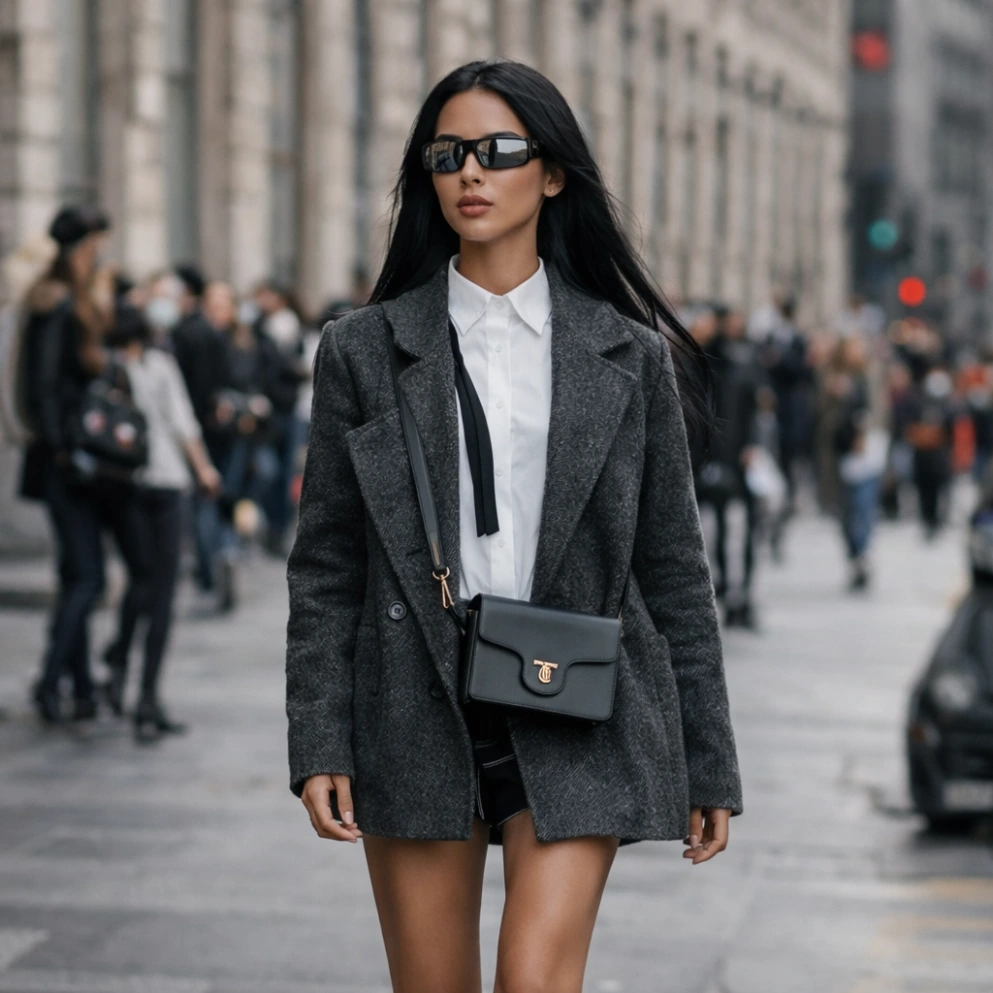
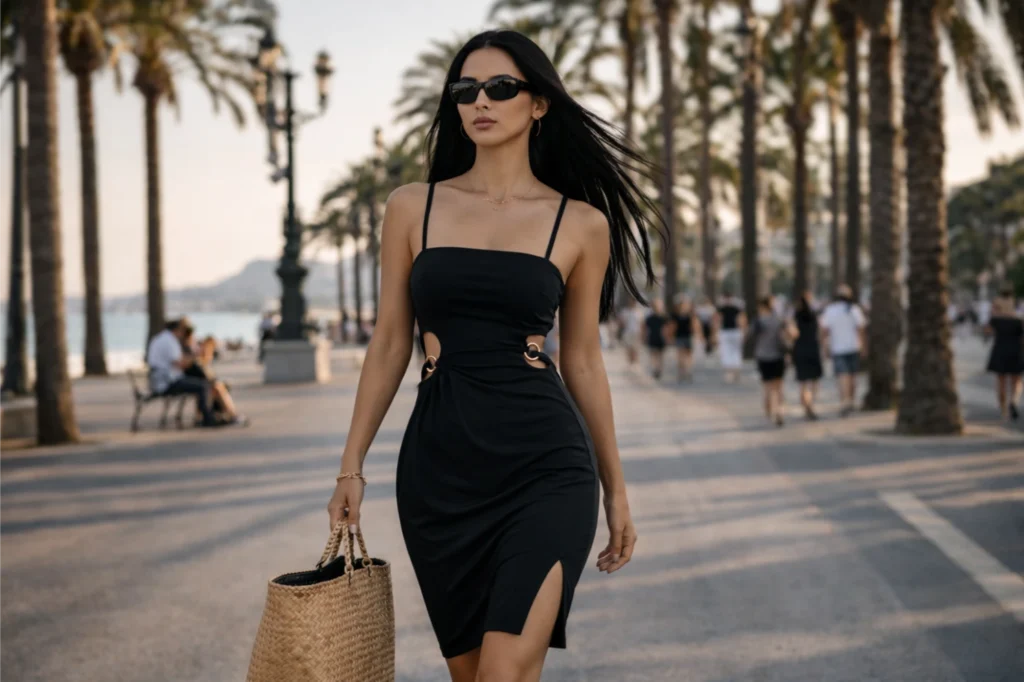
The 1980s in America were a decade defined by excess, ambition, and a fierce desire to be seen. Fashion wasn’t just clothing; it was a physical manifestation of power and a rebellion against the drab, earthy tones of the 1970s.
1. Power Suits: The Silhouette of Authority
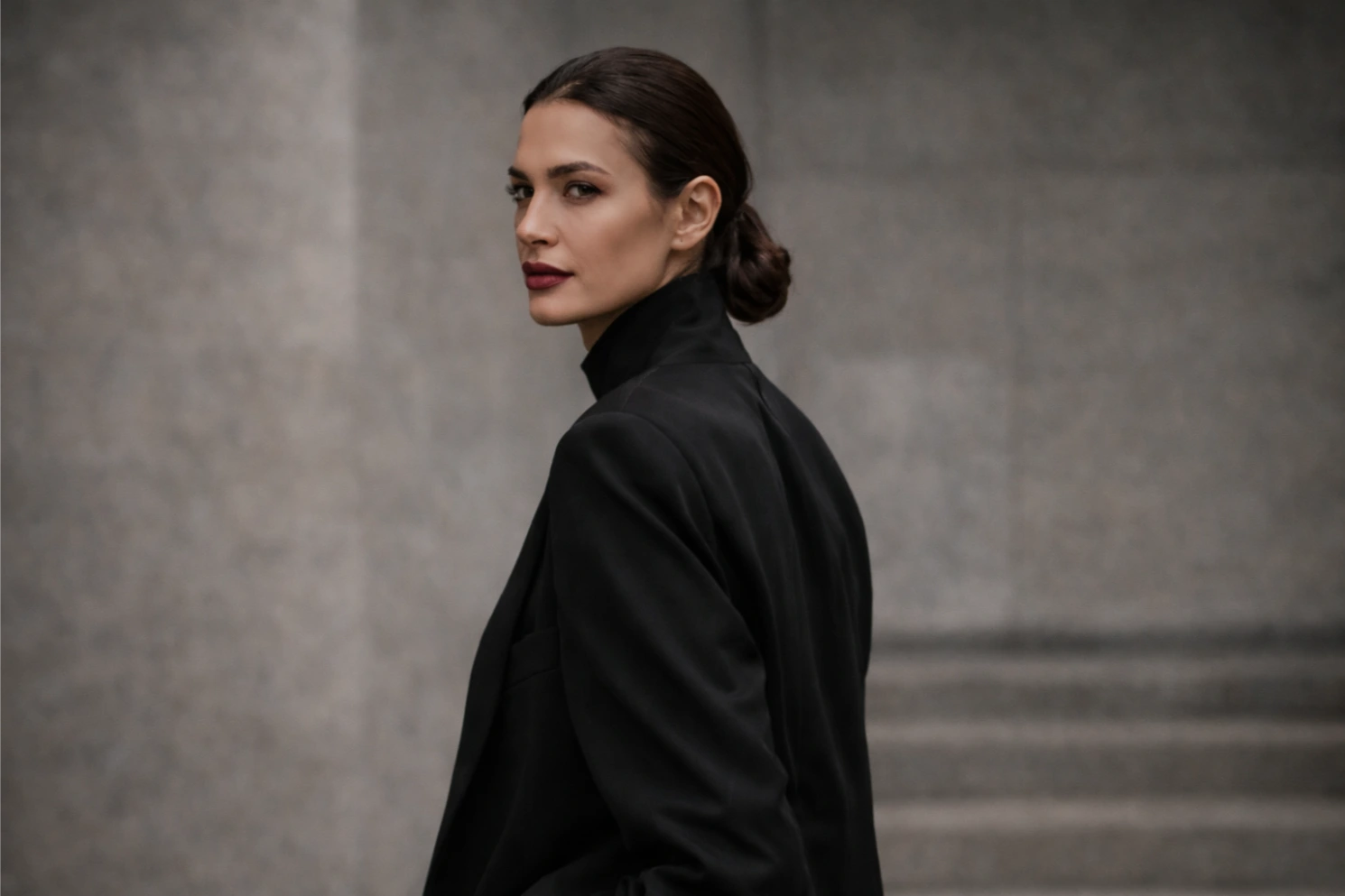
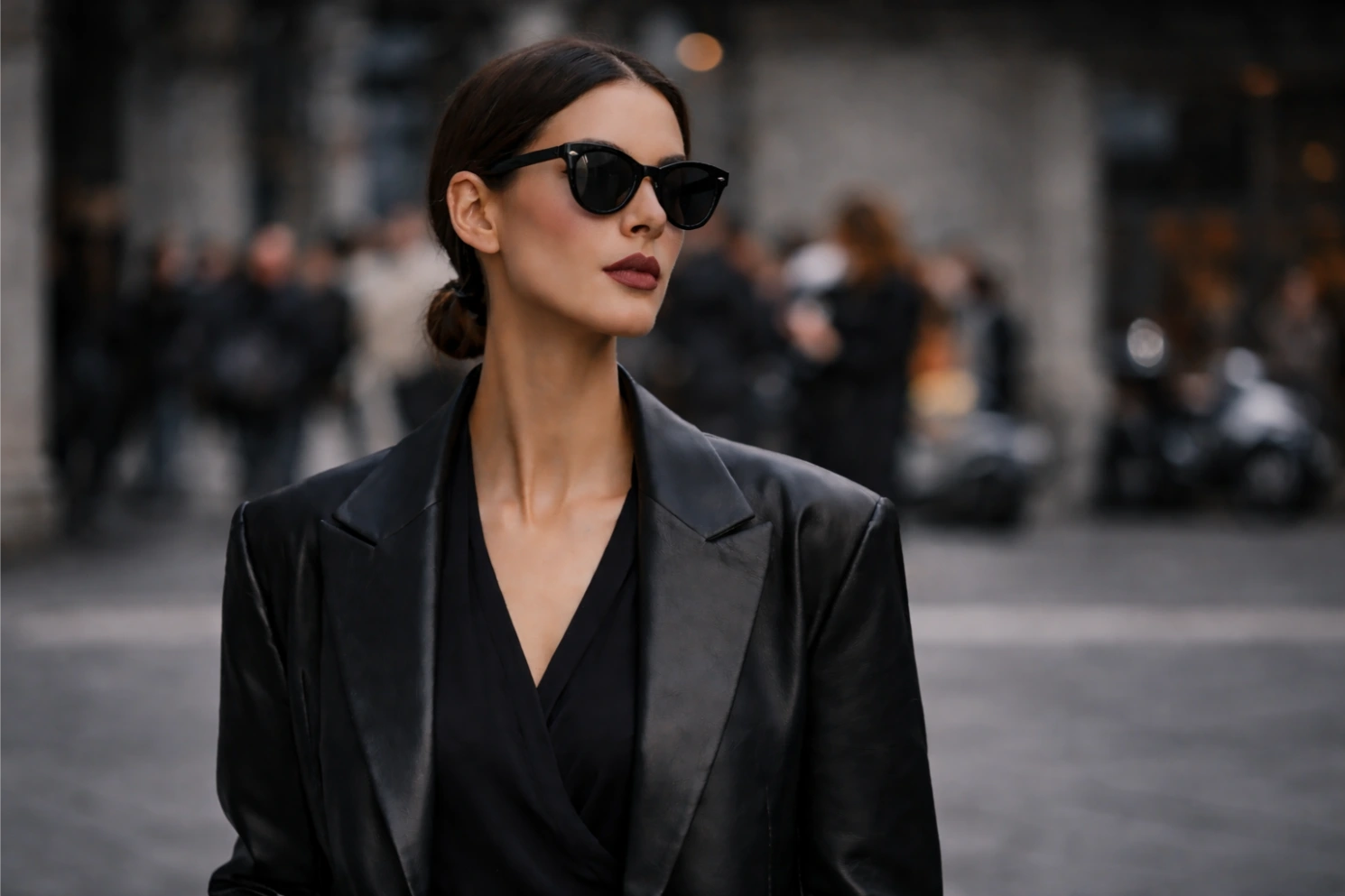
The “Power Suit” is perhaps the most significant of all fashion trends in the 80s and 90s. As women entered the American corporate workforce in record numbers, the industry responded with silhouettes that commanded space. Huge shoulder pads and boxy blazers—think Melanie Griffith in Working Girl—became the standard. These weren’t just clothes; they were armor.
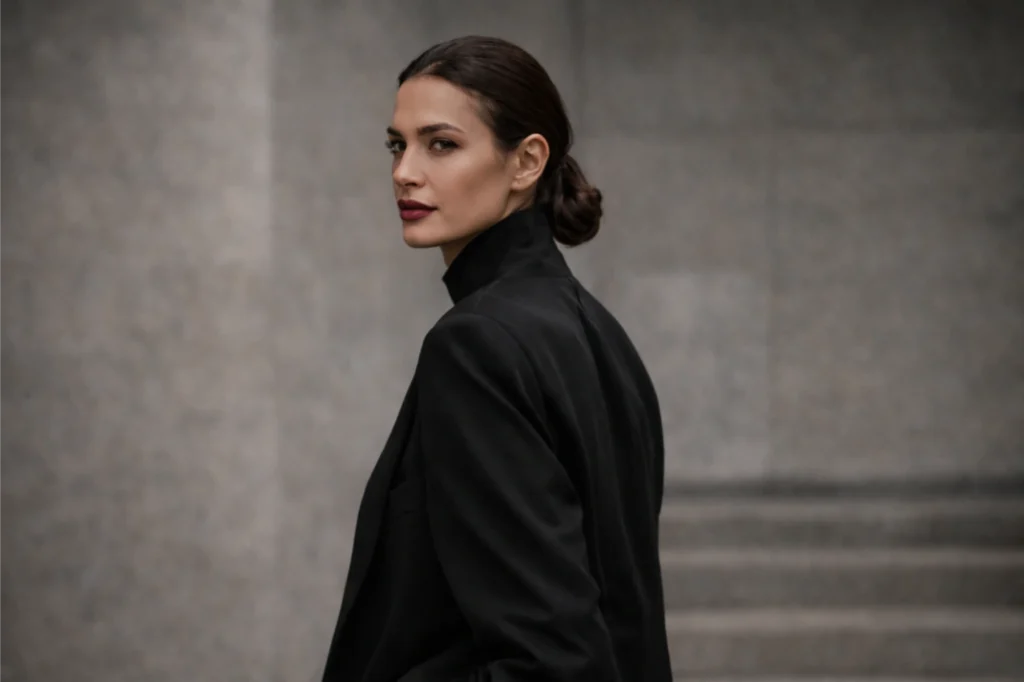
In the SS26 collections, we see this returning through the “Corporate Armor” aesthetic. Designers are using oversized ’80s proportions to create architectural lines that stand out in a sea of soft, casual athleisure. The primary goal of modern fashion trends in the 80s and 90s is to project authority through structure.
2. Neon Boldness and the Dopamine Dressing Movement
Before the muted tones of the 90s took over, fashion trends in the 80s and 90s were dominated by vibrant, almost aggressive colors. The US fitness craze of the 80s—led by aerobic icons like Jane Fonda—birthed a love for neon windbreakers, spandex, and leg warmers.
In 2026, we see this returning through what psychologists call “Dopamine Dressing.” US consumers are using bright, 80s-inspired palettes to combat aesthetic fatigue and post-minimalist boredom. Incorporating a neon accessory or a high-shine windbreaker is a classic move pulled directly from the vault of fashion trends in the 80s and 90s, and it feels incredibly fresh today.
3. Denim Overload: The Fabric of a Generation
Acid wash denim and oversized denim jackets are pillars of fashion trends in the 80s and 90s. In the mid-80s, the “Canadian Tuxedo” (denim on denim) became a US street style staple. This rugged, durable fabric choice remains one of the most versatile elements of the decade. Unlike modern fast fashion made of thin polyester blends, the heavyweight cotton denim used in fashion trends in the 80s and 90s offers a texture and longevity that is unmatched.
| 80s Staple | 2026 Runway Nod | Why It Works |
| Shoulder Pads | Balenciaga SS26 Blazers | Projects authority & structure |
| Acid Wash Denim | Alexander Wang Revival | Adds grit to a clean look |
| Windbreakers | Off-White Tech-Outerwear | Perfect for urban layering |
The Technical Superiority of Vintage Construction
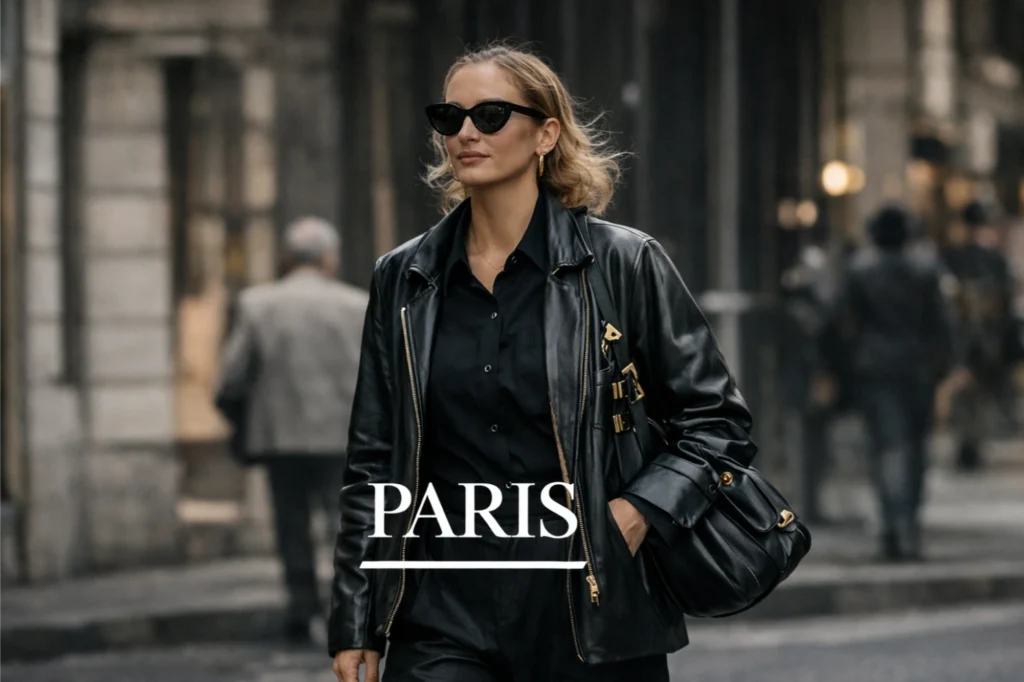
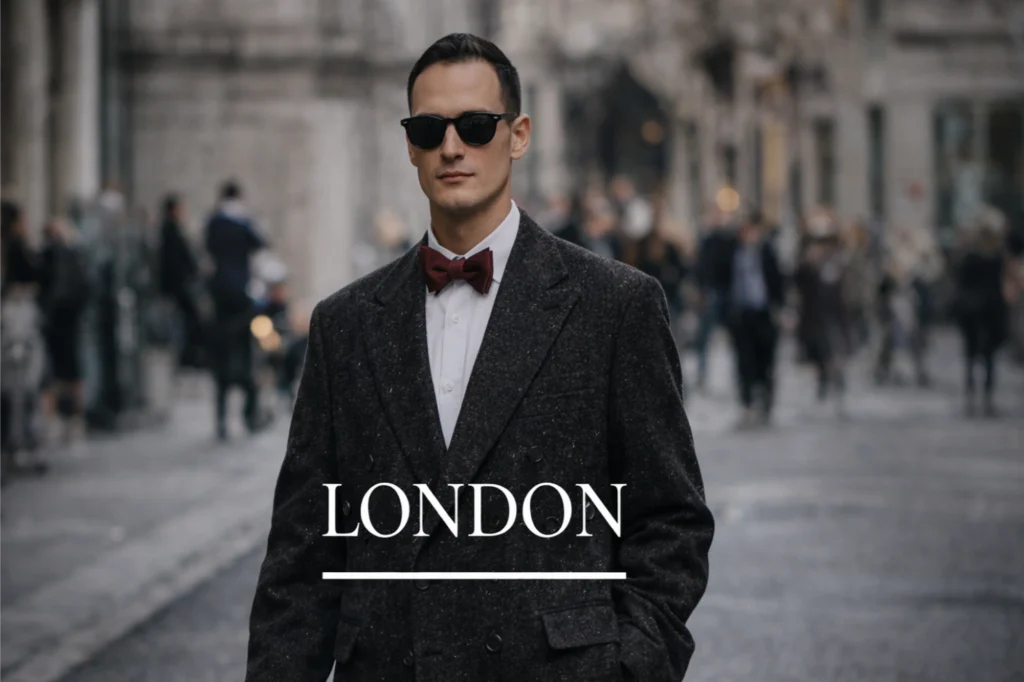
One reason fashion trends in the 80s and 90s continue to rule is the quality of manufacturing. In those decades, clothes were built to last. A vintage blazer from 1985 likely features canvassed construction and natural fibers, whereas a modern equivalent is often glued together. When you adopt fashion trends in the 80s and 90s, you aren’t just adopting a look; you are adopting a standard of quality that has largely vanished from the modern high street.
The “heavy-hand” feel of these pieces is a major draw for the US consumer. As we continue to analyze fashion trends in the 80s and 90s, it becomes clear that the weight and drape of these historical garments are what give them their iconic “shape” on the body—a shape that modern, flimsy fabrics simply cannot replicate.
Iconic Fashion Trends in the 90s: Grunge, Minimalism, and Street Edge
If the 80s was a decade of high-octane visual performance, the 1990s in the United States wwerethe great “Aesthetic Reset.” It brought a much-needed cleanse to the American fashion industry, moving away from neon saturation and into a space that valued raw authenticity and “Quiet Luxury” before the term was ever trademarked.
1. Grunge: The Anti-Fashion Revolution
In the early 90s, the “Seattle Sound” changed everything. Led by icons like Nirvana and Hole, Grunge took fashion trends in the 80s and 90s and stripped away the commercial polish. Flannel shirts, distressed denim, and oversized cardigans became the new uniform of rebellion. This was a direct middle finger to the “Power Dressing” of the 1980s.
In 2026, we see this returning through the “New Grunge” movement. It’s about taking those raw elements and pairing them with high-end tailoring—think a beat-up vintage tee layered under a $2,000 structured wool coat. 2025 data from eBay confirms this, showing a 35% surge in 90s-era flannel and combat boot sales as Gen Z reclaims the grunge aesthetic for the modern age.
2. 90s Minimalism: The “Less is More” Mandate
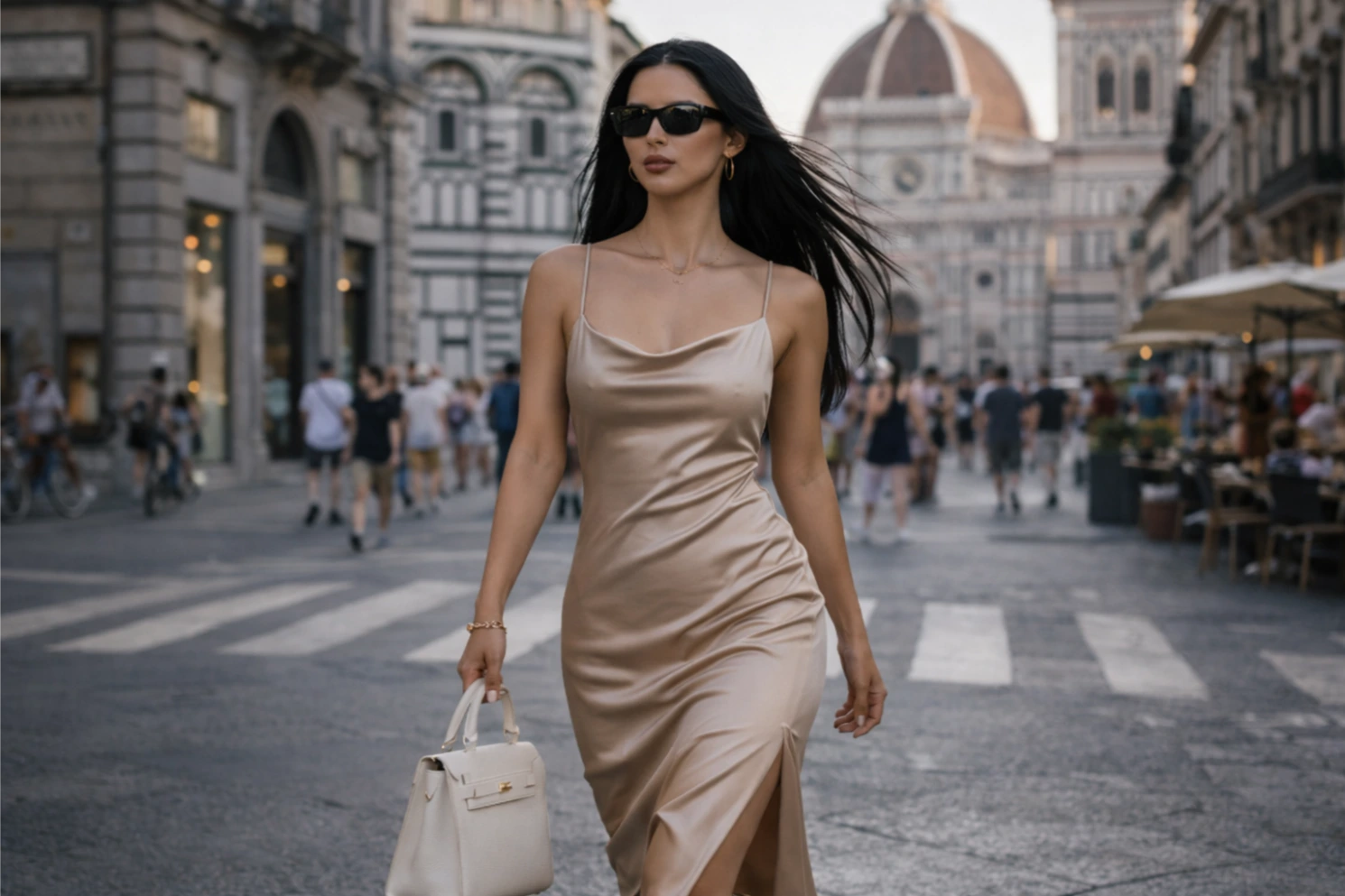
While Grunge was raging in the streets of the Pacific Northwest, a different movement was taking over the runways of Manhattan. Led by Calvin Klein and Helmut Lang, 90s Minimalism prioritized the slip dress, the sleek loafer, and a monochrome palette. This was the birth of “effortless chic.” The focus shifted from the shape of the garment to the quality of the fabric—silk, bias-cut satins, and fine-gauge knits.
3. The Birth of Modern Streetwear
The 90s also saw the explosion of hip-hop as a global fashion force. Fashion trends in the 80s and 90s were redefined by baggy jeans, oversized bomber jackets, and high-top sneakers. Icons like Tupac and the Spice Girls pushed “Athleisure” into the mainstream, creating the multi-billion dollar streetwear industry we see today.
| 90s Icon | 2026 Revival | The Style Logic |
| Slip Dress | Prada SS26 Layering | Effortless elegance & versatility |
| Flannel Shirts | Bottega Veneta “Luxe” Grunge | Texture, warmth, and grit |
| Baggy Denim | Gucci “Horsebit” Wide-Legs | Comfort meets architectural silhouette |
Key Principles of fashion trends in the 80s and 90s That Rule 2026
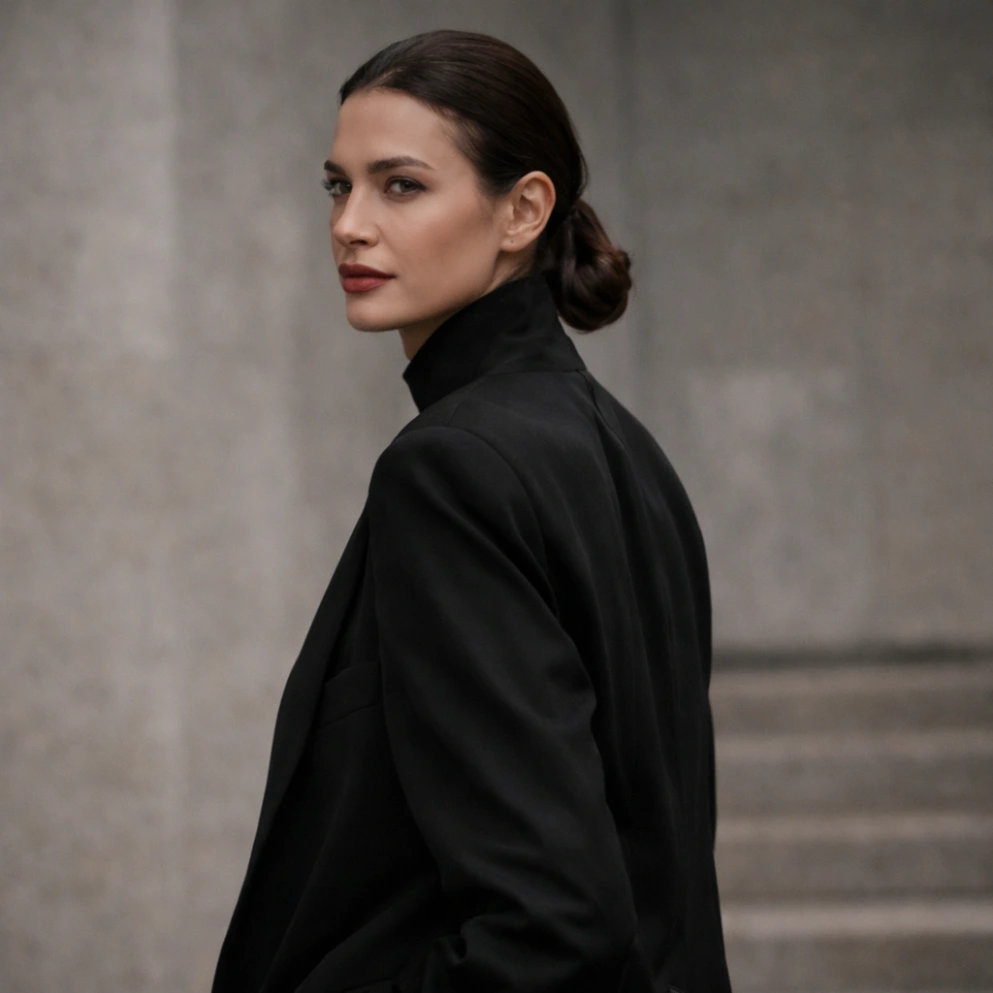
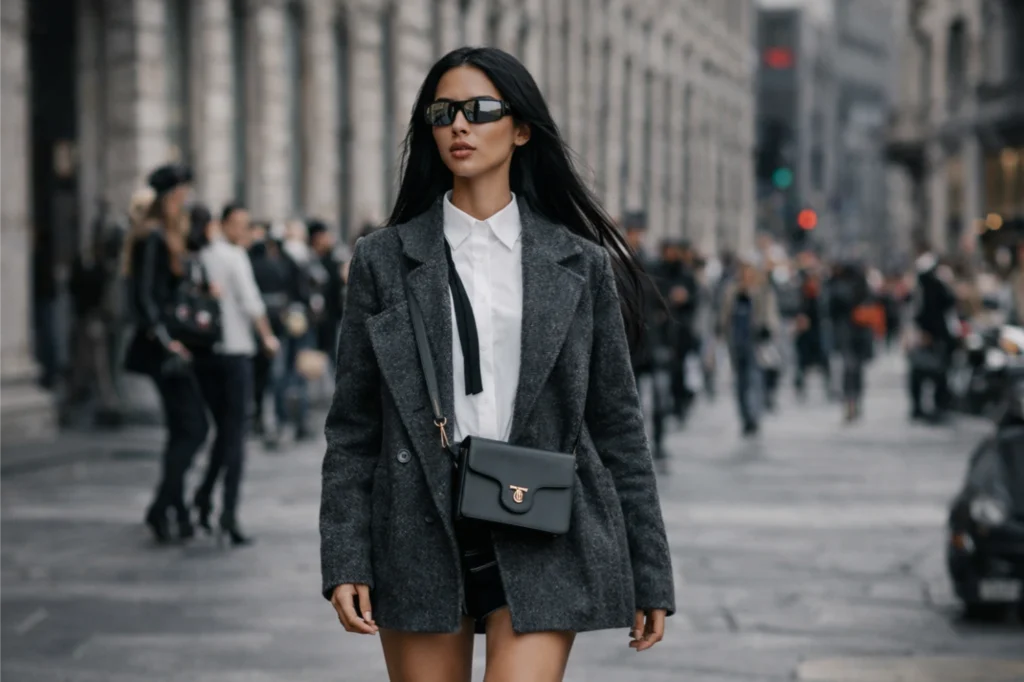
To successfully navigate fashion trends in the 80s and 90s, you must understand the underlying principles that make these looks work today.
- The Proportion Play: The 80s were about “Top-Heavy” volume (shoulder pads), while the 90s were about “Bottom-Heavy” volume (baggy jeans). In 2026, the rule is to pick one. If you are wearing a boxy 80s blazer, pair it with slim 90s-style trousers to keep the look intentional and grounded.
- Neutral Palettes with Neon Pops: Borrow the 90s neutral base (grey, black, beige) and add one 80s neon or metallic accessory. This is the “Dopamine Minimalist” look currently dominating US street style.
- Quality Over Quantity: The most enduring fashion trends in the 80s and 90s were built on high-grade natural fibers. Research from the Ellen MacArthur Foundation shows that extending a garment’s life reduces its footprint by 30%. Vintage 80s and 90s pieces were often 100% cotton or wool, making them superior to modern polyester “fast fashion” mimics.
How to Build a Wardrobe Around fashion trends in the 80s and 90s
Building a “Future-Proof” wardrobe in 2026 isn’t about buying every retro item; it’s about a curated 10-item capsule.
The 10 Capsule Essentials
- 1. The Power Blazer (80s): Look for broad shoulders and a slightly tapered waist.
- 2. Straight-Leg “Mom” Jeans (90s): High-waisted, thick-denim, non-stretch cotton.
- 3. The Silk Slip Dress (90s): Bias-cut for a flattering drape.
- 4. An Oversized Flannel (90s): Heavyweight wool or brushed cotton for layering.
- 5. Combat Boots (90s): Durable leather with a chunky platform.
- 6. A Neon Windbreaker (80s): For pops of color in activewear.
- 7. Gold Statement Jewelry (80s): Chunky hoops or “door-knocker” earrings.
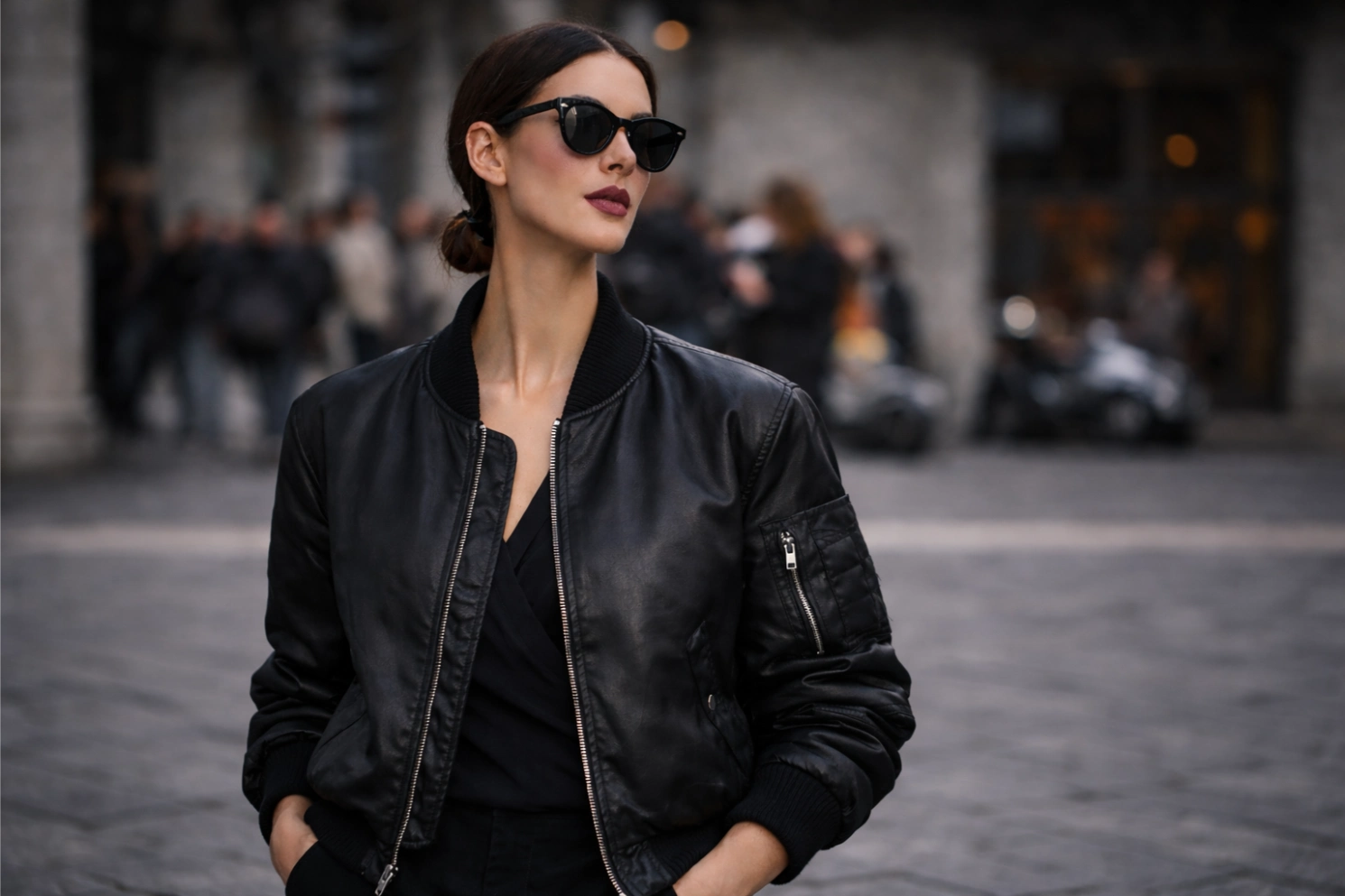
- 8. The Leather Bomber (90s): Boxy fit, preferably thrifted for an authentic patina.
- 9. A Crisp White Tee (90s): Thick collar and a relaxed (not slim) fit.
- 10. Tapered Trousers (80s): Pleated front for volume at the hips.
Sourcing Strategies: The US Vintage Market
For the American consumer, the best fashion trends in the 80s and 90s are often found in high-end vintage curators or local markets. Sourcing authentic pieces ensures you get the durable fabrics—like heavy-weight denim and real leather—that modern retailers struggle to replicate.
2026 Runway Proof: The Global Revival
The SS26 runways have provided the ultimate confirmation that fashion trends in the 80s and 90s are the dominant force of the decade.
- Gucci: Their latest show featured 80s-inspired “Power Suiting” with broad shoulders and pastel hues.
- Saint Laurent: A masterclass in 80s luxury, featuring belted leather bikers and oversized blazers.
- Prada: Revived 90s-era “utility bags” and minimalist silk skirts, proving that the clean lines of the 90s are the perfect antidote to modern over-consumption.
Sustainability Angle: Why Retro Saves the Planet
Choosing fashion trends in the 80s and 90s isn’t just a style choice; it’s an environmental necessity. The fashion industry produces 92 million tonnes of textile waste annually. By sourcing vintage pieces from these eras, you are cutting that waste 20x compared to buying new. Vintage cotton and denim from the 80s and 90s are statistically more durable, meaning they stay in your wardrobe longer and out of the landfill.
Common Mistakes and Care Hacks
The Mistake: Over-layering decades. Do not wear an 80s blazer and 90s baggy jeans and 80s neon socks at once. You will look like a costume, not a modern trendsetter.
The Fix: Focus on tailoring. A vintage 80s blazer often needs the shoulder pads refreshed or the waist taken in slightly to fit a modern frame without losing its “Power” essence.
Care Hacks for Timeless Pieces:
- Washing 90s Denim: Always wash inside out in cold water. Add a cup of white vinegar to the rinse cycle to lock in the indigo dye.
- Restoring 80s Shoulder Pads: If they have disintegrated, replace them with modern, slightly smaller pads to keep the structure without the “Linebacker” width.
Breaking the Binary: The Rise of Gender-Neutral fashion trends in the 80s and 90s
One of the most overlooked reasons why fashion trends in the 80s and 90s are dominating 2026 is their inherent fluidity. Long before “gender-neutral” was a marketing term, these decades were already dismantling the binary through silhouette and subculture.
1. The Androgynous 80s: Power and Grace
The 1980s was a pioneer in androgyny. Icons like Grace Jones and Annie Lennox utilized fashion trends in the 80s and 90s—specifically the boxy power suit and the buzzcut—to challenge what “feminine” looked like. Simultaneously, the “New Romantic” movement saw men like Boy George and David Bowie embracing lace, makeup, and ruffles.
In 2026, the US market is moving toward “Fit by Feel” rather than “Men/Women” sections. The oversized 80s blazer is the ultimate unisex garment. Its broad shoulders provide a structured frame for any body type, proving that the fashion trends in the 80s and 90s were decades ahead of the current inclusivity movement.
2. The Unisex 90s: Grunge as the Great Equalizer
The 1990s took this a step further with Grunge. When Kurt Cobain wore a floral dress or an oversized thrift-store cardigan, he wasn’t just making a style choice; he was utilizing fashion trends in the 80s and 90s to strip away gendered expectations. The uniform of the 90s—baggy jeans, flannels, and Doc Martens—was worn identically by everyone.
This “Anti-Fit” philosophy is the backbone of 2026 streetwear. American consumers are choosing 90s-inspired silhouettes because they offer a sense of freedom from the restrictive “slim-fit” norms that dominated the early 21st century.
The Psychological Hook: Why 2026 Craves the 80s and 90s
Beyond the aesthetics, there is a deep-seated psychological reason why fashion trends in the 80s and 90s are winning. In an era of digital burnout and global uncertainty, these decades represent a “Simpler Time” for Gen Z and Millennials.
1. Digital Burnout and the Analog Aesthetic
According to recent sociological studies, 54% of Gen Z consumers prefer the style of vintage clothes because they feel a “disconnection” from the ultra-polished, AI-generated looks of the 2020s. Fashion trends in the 80s and 90s provide a tactile, analog reality. The “graininess” of a vintage 90s tee or the “crunch” of 80s flight nylon offers a sensory experience that modern fast fashion cannot replicate.
2. Existential Grounding Through Nostalgia
Nostalgia serves as a psychological anchor. By wearing fashion trends in the 80s and 90s, American shoppers are essentially “borrowing” the confidence of those eras. Whether it’s the 80s “Master of the Universe” ambition or the 90s “Too Cool to Care” indifference, these clothes act as a costume for the identity we want to project in a volatile world.
2026 Runway Proof: The Global Revival
The Spring/Summer 2026 (SS26) runways have provided the ultimate confirmation that fashion trends in the 80s and 90s are the dominant force of the decade.
- Gucci: Their latest show in Milan featured 80s-inspired “Power Suiting” with wider lapels and tapered fits that reclaim authority without rigidity.
- Prada: Revived 90s-era “utility bags” and minimalist silk skirts, proving that the clean lines of the 90s are the perfect antidote to modern over-consumption.
- Balenciaga: A masterclass in 80s glam, featuring liquid metallics and oversized leather bombers that look straight out of a 1984 music video.
| 80s/90s Element | 2026 Designer | Why It’s Ranking |
| Oversized Shoulders | Balenciaga | Symbolizes modern resilience |
| Slip Dresses | Mia Moda / Prada | The ultimate “Night-to-Day” layer |
| Chunky Loafers | Harajuku-Global | Comfort meets academic “edge” |
Sustainability Angle: Why Retro Saves the Planet
Choosing fashion trends in the 80s and 90s isn’t just a style choice; it’s an environmental necessity. The fashion industry produces 92 million tonnes of textile waste annually. By sourcing vintage pieces from these eras, you are cutting that waste significantly compared to buying new.
Durable Fabrics vs. Fast Fashion Poly
The “Heavy-Hand” feel of an 80s cotton sweatshirt or 90s raw denim is a result of higher-quality manufacturing standards. These fabrics were built to last decades, not weeks. When you adopt fashion trends in the 80s and 90s, you are participating in a “Circular Economy” that reduces the demand for the carbon-intensive production of new, flimsy synthetics.
Common Mistakes and Care Hacks
The Mistake: The “Costume” Pitfall. Do not wear an 80s blazer and 90s baggy jeans and 80s neon leg warmers at once.
The Fix: The 70/30 Rule. Keep 70% of your look modern (a sleek white tank and clean sneakers) and let 30% be the statement fashion trends in the 80s and 90s (an oversized vintage bomber or metallic 80s earrings).
Care Hacks for Your Timeless Pieces:
- Restoring Shoulder Pads: If your 80s vintage finds have disintegrated pads, replace them with modern, thinner versions to keep the “Power” look without the “Linebacker” width.
- Maintaining 90s Satin: Always hand-wash your silk slip dresses in cold water. Steaming is better than ironing to preserve the delicate 90s sheen.
- Denim Preservation: Wash 90s-era “Mom Jeans” inside out and air-dry to keep the high-waisted structure from shrinking or warping.
Conclusion: The Future-Proof Wardrobe
The verdict is in: fashion trends in the 80s and 90s are the only future-proof rules in your wardrobe. By ignoring the “disposable” trends of the present and leaning into the architectural strength of the 80s and the gritty minimalism of the 90s, you are building a style that is both historically grounded and ahead of its time.
Stop chasing what is “new.” Start wearing what is “better.”
Which of these fashion trends in the 80s and 90s are you currently wearing? Are you team “80s Maximalist” or “90s Grunge”? Share your vintage scores in the comments below!